Agriculture

Agriculture

Alternative Tree-Based Agriculture

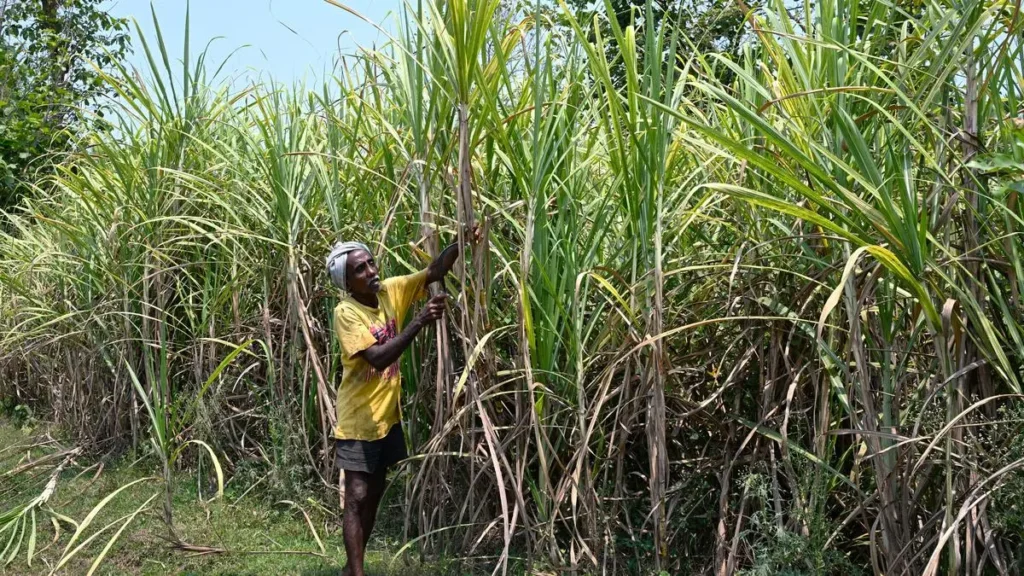
Kallakurichi district is witnessing a significant transformation in its agricultural landscape as an increasing number of farmers adopt alternative tree-based farming and crop diversification to improve income, enhance sustainability, and reduce dependence on traditional water-intensive crops. Encouraged by environmental initiatives such as Cauvery Calling and supported by agricultural experts, many cultivators are gradually shifting from conventional sugarcane cultivation to high-value tree crops and diversified farming systems. For decades, sugarcane has been one of the district’s major commercial crops. However, rising cultivation costs, increasing labour shortages, unpredictable rainfall, declining groundwater levels, and fluctuating market prices have prompted farmers to explore more sustainable and profitable alternatives. Tree-based agriculture has emerged as an attractive option due to its long-term economic returns, lower maintenance costs after establishment, and positive environmental impact. Among the crops gaining popularity are red sanders, sandalwood, and cassava, each offering unique economic opportunities. Red sanders, known for its premium-quality timber and high commercial value, is being cultivated as a long-term investment crop. Farmers view it as an asset that can generate substantial returns over time while requiring comparatively lower water consumption than several conventional crops. Similarly, sandalwood cultivation is attracting considerable interest because of its strong demand in the perfume, cosmetic, pharmaceutical, handicraft, and traditional industries. With proper management and adherence to government regulations, sandalwood plantations have the potential to provide significant financial returns. Farmers are increasingly recognizing sandalwood as a sustainable investment that can complement other agricultural activities while enhancing long-term income security. Cassava, another important crop in the district, continues to play a vital role in agricultural diversification. Widely used in the production of starch, sago, food products, animal feed, and industrial raw materials, cassava offers farmers a dependable commercial crop with diverse market opportunities. Improved cultivation techniques and better market access have further encouraged its expansion across suitable farming areas. Initiatives such as Cauvery Calling have played an important role in promoting tree-based agriculture by encouraging farmers to integrate trees with conventional farming systems. The programme emphasizes agroforestry as a sustainable farming model that improves soil fertility, conserves water resources, enhances biodiversity, captures atmospheric carbon, and provides additional sources of income through timber, fruits, medicinal plants, and other tree-based products. Agricultural scientists note that diversified farming systems are more resilient to climate change and market uncertainties. By cultivating multiple crops alongside trees, farmers can reduce production risks, improve soil health through natural nutrient cycling, and create more stable income streams throughout the year. Agroforestry also helps prevent soil erosion, improves groundwater recharge, and contributes to environmental conservation by increasing green cover. Government departments, agricultural universities, and extension agencies have been actively supporting this transition through farmer awareness programmes, technical guidance, demonstration plots, and training sessions on scientific plantation methods, irrigation management, pest control, and sustainable farming practices. These initiatives help farmers make informed decisions while ensuring successful establishment and maintenance of tree-based farming systems. Many progressive farmers who have adopted diversified agriculture report improved economic stability, reduced dependence on a single crop, and greater resilience against changing climatic conditions. Their success has encouraged neighbouring farmers to explore similar cultivation models, leading to a gradual expansion of agroforestry practices across the district. The growing adoption of alternative tree-based agriculture reflects a broader shift toward sustainable and climate-resilient farming in Kallakurichi. By combining environmental conservation with long-term economic benefits, crop diversification is helping farmers build stronger and more sustainable livelihoods while contributing to the district’s agricultural development. As awareness continues to grow and institutional support expands, Kallakurichi is well-positioned to emerge as a leading example of modern, diversified, and environmentally responsible agriculture in Tamil Nadu.

Agriculture

Minimum Support Price (MSP)

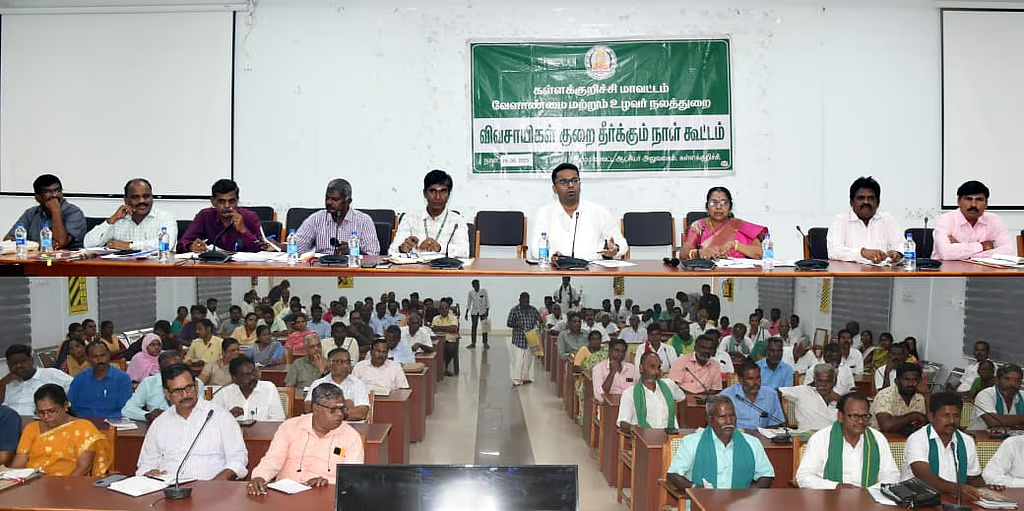
Farmers across Kallakurichi district have formally appealed to the government to fix and strictly regulate a Minimum Support Price (MSP) for tapioca and paddy, stating that assured pricing is essential to safeguard their livelihoods and ensure the long-term sustainability of agriculture. The demand has gained momentum as cultivators continue to face uncertainty due to fluctuating market prices, rising cultivation costs, and unpredictable returns on their produce. Representatives of farmers’ associations have submitted petitions to the concerned authorities, requesting the introduction of a scientifically determined MSP that reflects the actual cost of cultivation while providing a reasonable profit margin. They emphasized that both tapioca and paddy are among the district’s major agricultural crops, supporting the livelihoods of thousands of farming families, and therefore require stronger price protection. Farmers pointed out that the cost of agricultural production has increased considerably in recent years. Expenses related to quality seeds, fertilizers, pesticides, irrigation, electricity, farm machinery, transportation, and agricultural labour have risen steadily, placing significant financial pressure on cultivators. However, market prices often fluctuate during the harvest season, forcing many farmers to sell their produce below production costs due to the absence of guaranteed pricing. For paddy farmers, an effectively implemented MSP would provide assurance that their harvest will be procured at a fair and predetermined price, reducing the uncertainty associated with market fluctuations. Such a system would enable farmers to recover cultivation expenses, invest in modern farming practices, and continue agricultural production with greater financial confidence. Similarly, tapioca growers have highlighted the challenges they face due to unstable market demand and price volatility. Tapioca is an important commercial crop in Kallakurichi and is widely used in the production of starch, sago, food products, animal feed, and various industrial applications. Farmers have argued that the absence of a regulated support price often leaves them vulnerable to market fluctuations, resulting in unpredictable incomes despite substantial investments in cultivation. Agricultural experts believe that a well-structured Minimum Support Price mechanism can contribute significantly to rural economic stability. By ensuring a guaranteed minimum return, MSP helps protect farmers from sudden price crashes, encourages continued agricultural production, and strengthens food security. Stable pricing also enables farmers to adopt improved cultivation techniques, invest in better-quality inputs, and enhance overall farm productivity. Farmer organizations have also requested that the government strengthen procurement infrastructure, expand procurement centres, ensure timely payments, and simplify procurement procedures. They believe that an effective MSP policy must be supported by efficient procurement systems to ensure that farmers can sell their produce without unnecessary delays or administrative challenges. Officials from the Agriculture and Cooperative Departments have acknowledged the representations submitted by farmers and stated that the requests would be forwarded to the appropriate government authorities for consideration in accordance with existing agricultural pricing and procurement policies. The demand for a regulated Minimum Support Price for tapioca and paddy reflects the broader concerns of the farming community regarding income security and agricultural sustainability. Farmers remain hopeful that appropriate policy measures will be introduced to provide fair remuneration for their produce, reduce financial uncertainty, and strengthen the agricultural economy of Kallakurichi district.

Agriculture

Infrastructure Upgrades

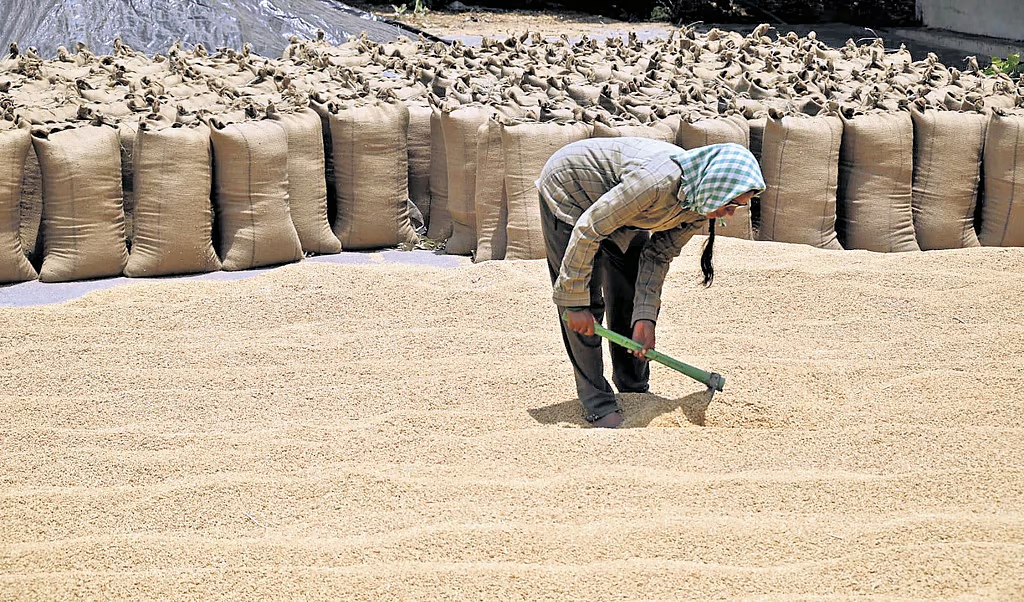
Farmers across Kallakurichi district have urged the authorities to improve infrastructure at Direct Paddy Procurement Centres (DPCs) by providing proper covered roofing and modern storage facilities to protect harvested paddy from unexpected rainfall. The demand comes after repeated instances of grain spoilage caused by sudden showers during the procurement season, resulting in financial losses for farmers who depend on these centres to sell their produce. According to the farming community, many procurement centres currently lack adequate roofed platforms and weatherproof storage arrangements. As a result, harvested paddy brought to the centres often remains exposed in open areas while awaiting quality inspection, weighing, and procurement. During periods of unseasonal rain, large quantities of paddy become wet, reducing grain quality and increasing the risk of moisture damage, fungal growth, and post-harvest losses. Farmers have pointed out that they invest considerable time, labour, and financial resources in cultivating paddy throughout the season. Damage occurring at the procurement stage due to inadequate infrastructure not only lowers the quality of the produce but can also lead to delayed procurement, price reductions, or rejection of grain that exceeds permissible moisture levels. They believe that providing permanent covered sheds would significantly reduce these avoidable losses and improve the efficiency of procurement operations. Another major demand raised by farmers is the establishment of a dedicated paddy drying yard in Vilambar village. At present, cultivators often face difficulties in drying freshly harvested paddy before transporting it to procurement centres. During the monsoon and periods of high humidity, the absence of a proper drying facility affects grain quality and delays the procurement process. A scientifically designed drying yard would provide farmers with a clean, level, and well-drained surface where paddy can be dried safely to the required moisture content before sale. Such a facility would help improve grain quality, reduce post-harvest losses, minimize contamination, and ensure that farmers receive better prices for their produce. It would also make the procurement process more efficient by enabling quicker quality inspections and reducing waiting times at procurement centres. Farmer representatives have submitted petitions requesting the government to prioritize infrastructure improvements at procurement centres, particularly in major paddy-growing regions. They have also suggested additional facilities such as proper drainage systems, storage warehouses, electronic weighing equipment, drinking water, waiting areas, and improved road connectivity to enhance the overall functioning of procurement centres. Agricultural experts note that strengthening post-harvest infrastructure is as important as improving agricultural production. Modern procurement facilities not only protect farmers from weather-related losses but also help preserve grain quality, improve food security, and ensure smoother procurement operations. Investments in covered storage, drying yards, and efficient logistics can significantly increase the overall efficiency of the agricultural marketing system. Officials from the Agriculture and Civil Supplies Departments have acknowledged the concerns raised by farmers and stated that the requests for covered roofing facilities and a dedicated drying yard at Vilambar village would be examined as part of future infrastructure development plans. They emphasized that improving procurement infrastructure remains an important priority for supporting the farming community and reducing post-harvest losses. The demand for better infrastructure highlights the need for continued investment in agricultural support systems across Kallakurichi district. Farmers remain hopeful that the construction of covered procurement sheds and modern drying facilities will help safeguard their harvests, improve procurement efficiency, reduce financial losses, and strengthen the overall agricultural economy of the region.

Agriculture

Complete Crop Loan Waivers

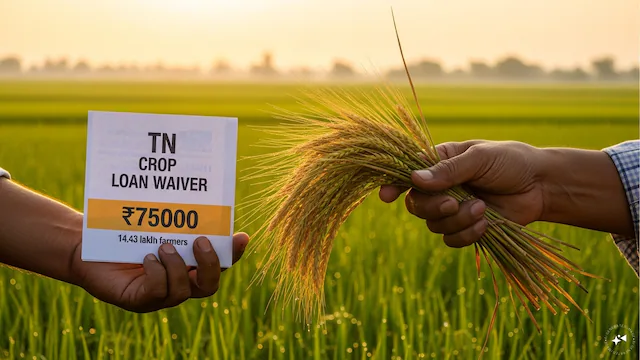
Farmers across Kallakurichi district have collectively appealed to the Primary Agricultural Cooperative Credit Societies (PACCS) for a complete waiver of outstanding crop loans, citing mounting financial pressures caused by rising cultivation costs, unpredictable weather conditions, fluctuating market prices, and declining agricultural profitability. The demand reflects the growing concerns of the farming community, many of whom rely on cooperative credit to finance seasonal agricultural activities. Representatives of various farmers’ associations submitted petitions to cooperative authorities, requesting the government to consider a comprehensive loan waiver that would provide immediate financial relief to thousands of small and marginal farmers. They stated that many cultivators are facing difficulties in repaying crop loans due to reduced agricultural income and increasing production expenses, including the costs of seeds, fertilizers, pesticides, irrigation, labour, and farm machinery. According to the farmers, repeated challenges such as irregular rainfall, prolonged dry spells, pest infestations, and fluctuating commodity prices have significantly affected crop yields and farm incomes over the past few seasons. These circumstances have made it increasingly difficult for many cultivators to repay loans within the stipulated time, leading to financial stress and concerns about future agricultural investments. The farming community emphasized that a complete crop loan waiver would help reduce the debt burden, restore financial stability, and enable farmers to invest confidently in the next cultivation season. They believe that debt relief would allow them to purchase quality seeds, adopt improved farming practices, and continue agricultural operations without the constant pressure of loan repayments. The Primary Agricultural Cooperative Credit Societies (PACCS) play a vital role in providing short-term and medium-term agricultural credit to farmers across rural areas. These cooperative institutions offer crop loans at subsidized interest rates, helping cultivators meet expenses related to land preparation, sowing, irrigation, harvesting, and other farming activities. Farmers noted that while cooperative credit has been instrumental in supporting agriculture, extraordinary circumstances have created an urgent need for additional government assistance. Agricultural experts observe that loan waiver demands often arise during periods of financial distress within the farming sector. They point out that while debt relief can provide immediate support to affected farmers, long-term agricultural sustainability also depends on improved irrigation facilities, stable market prices, better crop insurance coverage, modern farming technologies, and enhanced access to agricultural extension services. Farmer representatives have urged the State Government and cooperative authorities to consider their request sympathetically and introduce measures that protect the interests of small and marginal farmers. They have also sought timely procurement of agricultural produce, fair minimum support prices, and additional financial assistance to strengthen the rural economy. Officials from the Cooperative Department have acknowledged the farmers’ representations and indicated that the petitions would be forwarded to the appropriate authorities for consideration in accordance with existing government policies and procedures. Any decision regarding a statewide or district-wide crop loan waiver would ultimately depend on government policy and official approval. The appeal for a complete crop loan waiver underscores the challenges currently faced by the agricultural community and highlights the importance of continued policy support for the farming sector. Farmers remain hopeful that appropriate measures will be introduced to ease their financial burden, strengthen agricultural production, and ensure the long-term sustainability of rural livelihoods in Kallakurichi district.

Agriculture

Sugarcane Crushing Target

The Kallakurichi Co-operative Sugar Mill at Moongilthuraipattu has announced an ambitious target of crushing more than 3.25 lakh tonnes of sugarcane during the current crushing season, reaffirming its commitment to supporting sugarcane farmers and strengthening the district’s agricultural economy. The initiative is expected to provide timely market access for farmers while ensuring uninterrupted sugar production and efficient utilization of locally cultivated sugarcane. To meet the mill’s raw material requirements, over 9,300 acres of sugarcane cultivation across the district have been officially registered with the cooperative sugar mill. Farmers from various villages have enrolled their fields under the mill’s procurement programme, enabling systematic harvesting, transportation, and processing of sugarcane throughout the crushing season. The registration process also allows the mill administration to prepare a scientific harvesting schedule that minimizes delays and ensures that harvested cane reaches the factory at the optimum time. Sugarcane remains one of the most important commercial crops cultivated in Kallakurichi district, providing a stable source of income for thousands of farming families. The cooperative sugar mill plays a crucial role in supporting these farmers by offering an assured procurement system, technical guidance, and a reliable marketing channel for their produce. Officials believe that achieving the crushing target will significantly contribute to the district’s rural economy by generating employment and sustaining agricultural livelihoods. To improve productivity and maintain a consistent supply of quality sugarcane, the mill has been encouraging farmers to adopt modern cultivation practices. Agricultural experts are providing guidance on the use of high-yielding sugarcane varieties, scientific irrigation methods, soil health management, balanced fertilizer application, integrated pest management, and mechanized farming techniques. These measures are expected to enhance both crop yield and sugar recovery during processing. The mill administration has also coordinated with the Agriculture and Revenue Departments to streamline logistics during the crushing season. Adequate transportation arrangements are being planned to ensure that harvested sugarcane is delivered promptly from farms to the factory, thereby reducing post-harvest losses and maintaining the quality of the cane. Efficient scheduling of harvesting and transportation is expected to improve operational efficiency while reducing waiting time for farmers. Apart from sugar production, the cooperative sugar mill contributes significantly to the local economy through employment generation. Hundreds of workers are engaged in factory operations, transportation, maintenance, and allied activities during the crushing season. In addition, by-products such as molasses, bagasse, and press mud are utilized for the production of ethanol, electricity generation, and organic manure, promoting sustainable industrial practices and creating additional sources of revenue. District officials have expressed confidence that the cooperative efforts of farmers, agricultural officers, and mill management will help achieve the ambitious crushing target. Regular field inspections and farmer interaction programmes are being conducted to monitor crop growth, address cultivation challenges, and ensure that sufficient quantities of quality sugarcane are available throughout the season. The successful achievement of the 3.25 lakh-tonne crushing target is expected to strengthen the operational performance of the Kallakurichi Co-operative Sugar Mill, improve farmers’ incomes, and contribute to the overall agricultural development of the district. By combining modern farming practices, efficient procurement systems, and strong institutional support, the initiative reflects the district’s commitment to promoting sustainable agriculture and enhancing the prosperity of its farming community.

Agriculture

Gramam Thorum Puthozhil Scheme

The Kallakurichi District Administration has taken a significant step toward promoting rural innovation and self-employment by launching village startup communities under the Gramam Thorum Puthozhil Scheme in Sathanur and Naranampatti. The initiative is part of the Tamil Nadu Government’s vision to transform villages into vibrant centres of entrepreneurship by encouraging local talent, fostering innovation, and creating sustainable livelihood opportunities. The Gramam Thorum Puthozhil Scheme is a flagship programme designed to identify, nurture, and support early-stage rural entrepreneurs who possess innovative business ideas but lack the financial resources and institutional support to convert them into successful enterprises. By creating startup communities at the village level, the scheme seeks to unlock the entrepreneurial potential of rural youth, women, farmers, artisans, and self-help groups. One of the key highlights of the programme is the provision of equity-free grants, allowing entrepreneurs to receive financial assistance without giving up ownership or control of their businesses. This approach encourages innovation while enabling startups to grow independently and sustainably. The grants are intended to help entrepreneurs develop prototypes, establish production units, improve product quality, adopt modern technologies, and expand their market reach. The scheme places special emphasis on agro-based innovations, recognizing agriculture as the backbone of the rural economy. Entrepreneurs are encouraged to develop value-added agricultural products, food processing units, organic farming solutions, sustainable irrigation technologies, post-harvest management systems, dairy and livestock enterprises, eco-friendly products, and rural service-based businesses. By promoting innovation in agriculture and allied sectors, the programme aims to increase farmers’ incomes while creating employment opportunities within villages. Beyond financial assistance, the Gramam Thorum Puthozhil Scheme provides a comprehensive support ecosystem that includes business mentoring, entrepreneurship training, technical guidance, market linkages, branding assistance, digital marketing support, financial literacy programmes, and networking opportunities with industry experts and government agencies. These services help rural entrepreneurs strengthen their business skills and improve their chances of long-term success. The establishment of startup communities in Sathanur and Naranampatti is expected to serve as a model for other villages across the district. These communities will function as collaborative platforms where aspiring entrepreneurs can share ideas, access expert guidance, participate in skill development programmes, and work together to solve local economic and social challenges through innovation. Officials believe that the initiative will play an important role in reducing rural unemployment by encouraging self-employment and supporting the creation of small and medium enterprises. It is also expected to discourage migration from villages to urban areas by generating sustainable income opportunities within rural communities. Young graduates, women entrepreneurs, and members of Self-Help Groups (SHGs) are expected to benefit significantly from the programme. The District Administration has encouraged eligible individuals with innovative business ideas to participate in the scheme and take advantage of the financial assistance and mentoring opportunities available. Awareness campaigns and entrepreneurship workshops are being organized to educate rural communities about the benefits of the programme and the application process. The Gramam Thorum Puthozhil Scheme reflects the government’s commitment to building a strong rural economy driven by innovation, technology, and entrepreneurship. By supporting grassroots enterprises and encouraging locally developed solutions, the initiative aims to create inclusive economic growth, strengthen village economies, generate employment, and improve the overall quality of life in rural areas. As the programme expands to more villages, it is expected to nurture a new generation of rural entrepreneurs who will contribute to sustainable development, promote local industries, and position Kallakurichi as a leading district for grassroots innovation and rural startup ecosystems.

Agriculture

National Digital Scheme Mandatory Registration

The Kallakurichi District Administration has announced that all livestock farmers in the district must register under the National Digital Scheme through the designated online portal to avail themselves of various government veterinary and livestock development services. The initiative aims to create a comprehensive digital database of livestock and farmers, enabling the efficient delivery of government welfare programmes, veterinary healthcare, and financial assistance. The announcement was made by the District Collector, who urged livestock owners to complete their registration at the earliest to ensure uninterrupted access to government benefits. The digital registration drive is part of the Government of India’s efforts to modernize the livestock sector through technology, improve service delivery, and establish a transparent and centralized digital record system. Under the National Digital Scheme, farmers will be able to access a wide range of veterinary and livestock-related services through a single unified platform. These include routine veterinary care, disease surveillance, vaccination programmes, artificial insemination services, livestock health monitoring, breeding support, insurance schemes, and various government subsidies and welfare initiatives. The centralized database is expected to simplify administrative procedures and reduce delays in providing essential services to farmers. Officials explained that the digital platform will maintain detailed records of livestock, including species, breed, age, vaccination history, health status, ownership details, and other essential information. Such digital records will help veterinary officers monitor animal health more effectively, respond quickly during disease outbreaks, and ensure timely implementation of preventive healthcare measures. The registration process is designed to benefit livestock owners by providing easier access to government assistance and reducing paperwork. Farmers can register through the designated online portal with the support of local veterinary hospitals, livestock inspectors, village-level officials, common service centres, and agriculture extension staff. Special awareness camps and registration drives are also being organized across the district to assist farmers who may not be familiar with digital services. The District Collector emphasized that maintaining an accurate digital database is essential for strengthening livestock development and improving rural livelihoods. Reliable data will enable the government to plan better vaccination campaigns, monitor animal diseases, distribute subsidies more efficiently, and implement welfare programmes based on actual field requirements. Officials also highlighted that the initiative will improve transparency and accountability in the delivery of government services. With digital records readily available, farmers will be able to receive veterinary support and government benefits more quickly, while authorities can efficiently track programme implementation and monitor livestock health across the district. The Animal Husbandry Department has appealed to cattle, goat, sheep, poultry, and other livestock farmers to cooperate with the registration process and ensure that all eligible animals are included in the digital database. Veterinary staff have been instructed to provide necessary guidance and technical assistance throughout the registration campaign. The mandatory registration under the National Digital Scheme represents an important step toward modernizing livestock management in Kallakurichi. By integrating digital technology with veterinary healthcare and government welfare programmes, the initiative aims to improve animal health, enhance farmer incomes, strengthen disease control mechanisms, and promote sustainable livestock development across the district.