June 2026

Breaking News

Pulse Polio Campaign

The Kallakurichi District Administration has successfully launched an intensive Pulse Polio Immunisation Campaign across all health blocks, reaffirming its commitment to protecting every child from poliomyelitis and maintaining the district’s contribution to India’s polio-free status. The large-scale campaign has been organized to ensure that every eligible child receives the oral polio vaccine, regardless of their location or socioeconomic background. Under the supervision of the District Health Department, vaccination teams have been deployed across government hospitals, Primary Health Centres (PHCs), Urban Health Centres, Anganwadi centres, schools, community halls, and specially established immunisation booths. The campaign is being carried out in a coordinated manner to achieve complete coverage across both urban and rural areas of the district. To ensure that no child is left behind, healthcare workers are also conducting door-to-door visits in villages, remote habitations, and underserved communities. Mobile vaccination teams have been assigned to bus stands, railway stations, marketplaces, construction sites, and other transit locations to reach migrant families and children who may not be able to visit vaccination centres. These efforts help ensure that every eligible child receives the life-saving vaccine. The campaign is supported by a dedicated workforce comprising doctors, nurses, Auxiliary Nurse Midwives (ANMs), Accredited Social Health Activists (ASHAs), Anganwadi workers, volunteers, and health inspectors. These frontline workers are not only administering the vaccine but also creating awareness among parents about the importance of routine immunisation and the need for every child below the eligible age to receive Pulse Polio drops during each campaign. Health officials have emphasized that although India has been certified polio-free, continuous immunisation remains essential to prevent the reintroduction of the disease. Every round of the Pulse Polio programme strengthens children’s immunity and plays a crucial role in safeguarding communities from the poliovirus. Parents have been encouraged to ensure that their children receive the oral vaccine even if they have already completed their routine immunisation schedule. Extensive awareness campaigns have been conducted throughout the district using public announcements, posters, banners, social media, and community outreach programmes. Local leaders, teachers, healthcare professionals, and volunteers have joined hands to encourage parents to participate actively in the campaign and ensure full vaccination coverage. District authorities are continuously monitoring the progress of the campaign through field inspections and regular reporting from health blocks to ensure smooth implementation. Adequate vaccine supplies, cold-chain facilities, transportation, and medical logistics have been arranged to maintain the quality and effectiveness of the immunisation programme. The successful implementation of the intensive Pulse Polio Campaign reflects the district administration’s commitment to preventive healthcare and child welfare. By combining efficient planning, dedicated healthcare personnel, and strong community participation, Kallakurichi continues to strengthen its public health system and safeguard future generations against preventable diseases. Health officials have appealed to all parents and guardians to cooperate with vaccination teams and ensure that every eligible child receives the oral polio vaccine. The campaign stands as another important milestone in the district’s efforts to promote healthy childhood development and maintain a polio-free future for all.

Breaking News

School Safety Incident

A serious accident at a government school near Sankarapuram has raised concerns about student safety and the maintenance of school infrastructure after a Class V girl student sustained severe injuries during the lunch break. The unfortunate incident occurred when a heavy wheeled iron garbage bin reportedly lost balance and tipped over, trapping the student’s hand beneath it. According to preliminary reports, the accident took place during the midday lunch interval when students were moving around the school premises. As the girl approached the area where the garbage bin had been placed, the large iron container unexpectedly overturned. The heavy structure fell onto her hand, causing devastating injuries. Tragically, two of her fingers were severed in the accident. Teachers and school staff immediately rushed to the student’s aid and provided first aid before arranging emergency medical assistance. The injured child was quickly taken to a nearby hospital and later referred to a higher medical facility for specialized treatment. Doctors are continuing to provide medical care, while her condition is being closely monitored. The incident has caused deep concern among parents, teachers, and local residents, who have called for a thorough review of safety measures in schools. Many have urged authorities to ensure that heavy equipment, waste bins, water tanks, furniture, and other potentially hazardous objects are securely installed and regularly inspected to prevent similar accidents in the future. Education Department officials and local authorities visited the school following the incident to assess the circumstances surrounding the accident. A preliminary inquiry has been initiated to determine whether the garbage bin was properly positioned, whether safety protocols were followed, and whether any negligence contributed to the mishap. Appropriate action will be taken based on the findings of the investigation. The accident has also renewed discussions about the importance of regular infrastructure audits in educational institutions. Experts emphasize that schools should conduct periodic safety inspections, remove potential hazards from areas frequently used by children, and ensure that all equipment is securely installed and maintained. Adequate supervision during recess and lunch breaks is also considered essential for preventing accidents. Parents and community members have appealed to the authorities to strengthen school safety standards by introducing comprehensive safety guidelines, regular maintenance checks, and awareness programmes for both staff and students. They believe that creating a secure learning environment is essential for protecting children’s well-being and allowing them to study without unnecessary risks. The tragic incident serves as a reminder that even routine school infrastructure can pose serious dangers if not properly maintained. Authorities have assured that the injured student will receive all necessary medical support and that measures will be taken to improve safety across schools in the district, ensuring that similar incidents are prevented in the future.

Breaking News

Hooch Tragedy Rehabilitation

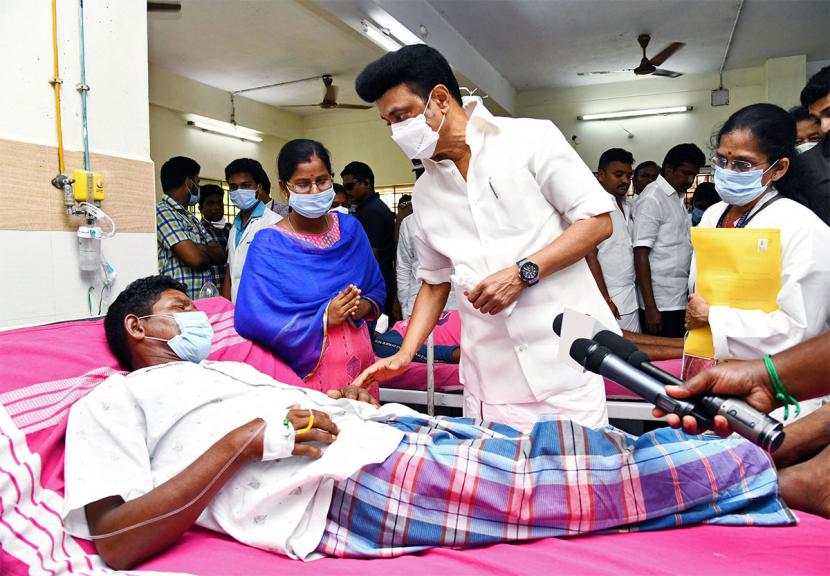
One year after the devastating 2024 illicit liquor tragedy that deeply affected several families in Kallakurichi district, the Tamil Nadu Government has intensified its rehabilitation efforts by focusing not only on law enforcement but also on the long-term economic recovery and social well-being of affected communities. As many families continue their journey from grief and trauma toward rebuilding their lives, the government has introduced a combination of strengthened anti-narcotics measures and targeted welfare programmes aimed at ensuring sustainable livelihoods. As part of these efforts, the Minister-in-charge and district administration have reinforced surveillance and enforcement activities by deploying additional Anti-Narcotics Task Force (ANTF) teams across vulnerable areas. The enhanced patrolling is intended to prevent the manufacture, transportation, and sale of illicit liquor and narcotic substances, while ensuring that similar incidents do not recur. Special police teams are conducting regular inspections, intelligence-based operations, and community outreach programmes to strengthen public safety and curb illegal activities. Alongside strict enforcement, the government has shifted significant attention toward the rehabilitation of families that lost their primary earning members or experienced severe economic hardship following the tragedy. Recognizing that long-term recovery requires more than financial assistance alone, district authorities have begun organizing special welfare intervention camps in affected villages. These camps serve as one-stop support centres where families can access government welfare schemes, counselling services, employment assistance, and skill development opportunities. A key objective of the rehabilitation programme is to promote alternative livelihoods for vulnerable households. Various government departments are working together to identify suitable employment opportunities, provide vocational training, facilitate self-employment initiatives, and connect beneficiaries with entrepreneurship schemes. Women, youth, and unemployed family members are being encouraged to participate in skill development programmes that can help them achieve financial independence and build sustainable sources of income. The welfare camps also provide information on government assistance programmes, including livelihood support, educational assistance for children, healthcare services, social security benefits, and access to financial inclusion schemes. Officials from departments such as Rural Development, Social Welfare, Labour, Agriculture, Animal Husbandry, and Skill Development participate in these camps to ensure that eligible families receive comprehensive support under various government initiatives. Community counselling and awareness programmes form another important component of the rehabilitation strategy. Health professionals, social workers, and counsellors interact with affected families to provide psychological support, encourage community participation, and promote awareness about the dangers of illicit liquor and substance abuse. These programmes aim to help families overcome trauma while strengthening community resilience and social cohesion. Officials have emphasized that the rehabilitation process is being carried out with a long-term perspective, focusing on restoring livelihoods, improving living standards, and preventing vulnerable families from falling into economic distress. By integrating welfare support with employment generation and strong law enforcement, the administration seeks to create safer and more resilient communities across the district. The combined efforts of the government, local administration, law enforcement agencies, and community organizations reflect a comprehensive approach to recovery following the tragedy. While enhanced Anti-Narcotics Task Force operations aim to eliminate illegal liquor networks, the welfare intervention camps are designed to empower affected families through education, employment, entrepreneurship, and social support. The ongoing rehabilitation initiatives underscore the government’s commitment to ensuring that the lessons of the tragedy lead to lasting improvements in public safety, community welfare, and economic resilience. Through sustained rehabilitation measures and continued vigilance against illegal activities, Kallakurichi is working toward rebuilding stronger, healthier, and more secure communities for the future.

Breaking News

Massive Gutka Seizure

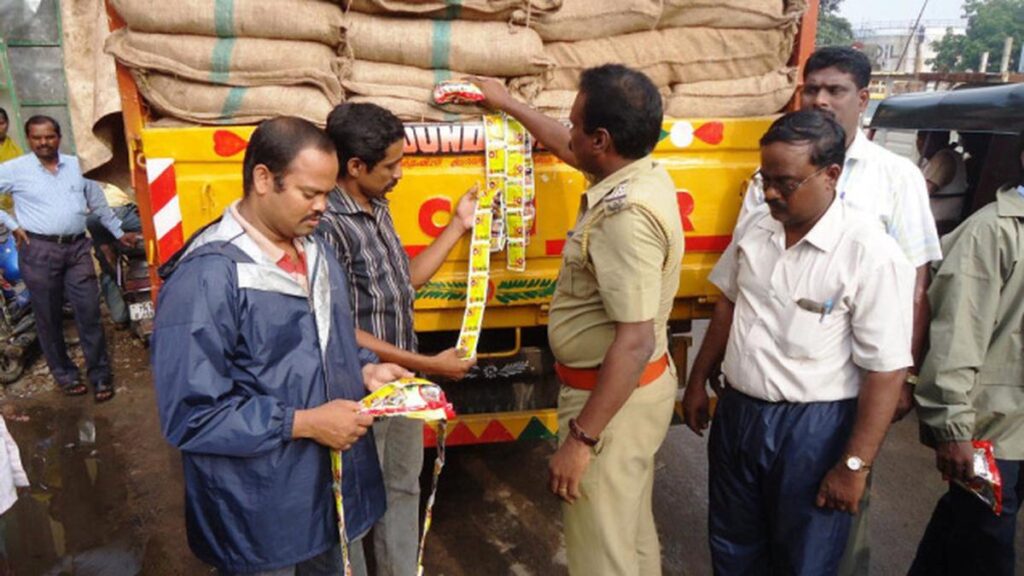
In a major operation against the illegal sale and distribution of banned tobacco products, Tirukoilur Police conducted a series of coordinated raids across the town and its surrounding areas, leading to the seizure of 155 kilograms of banned Gutka and other prohibited chewing tobacco products. The operation forms part of the district police’s ongoing efforts to curb the illegal trade of banned tobacco products and safeguard public health. Acting on specific intelligence regarding the storage and distribution of prohibited tobacco products, police teams carried out simultaneous inspections at multiple locations suspected of being used as illegal warehouses and distribution points. During the raids, officers recovered a large quantity of Gutka packets and other banned chewing tobacco products that were allegedly intended for illegal sale across the region. Following the investigation, police arrested four individuals identified as Ajith, Thirumalai, Thiruvenkadam, and Vijay on charges related to the illegal possession, hoarding, and distribution of banned tobacco products. The seized contraband was taken into police custody as evidence, and legal proceedings have been initiated against the accused under the relevant provisions of law governing the prohibition of tobacco products. Officials stated that the operation dealt a significant blow to the illegal supply network operating in and around Tirukoilur. Investigators are continuing their inquiries to determine the source of the seized products, identify additional members of the distribution network, and trace the movement of the contraband across neighbouring districts. Authorities have indicated that further arrests may follow if additional evidence emerges during the investigation. The police reiterated that the manufacture, storage, transportation, and sale of banned Gutka and similar tobacco products are prohibited because of the serious health risks associated with their consumption. Public health experts have consistently linked the use of smokeless tobacco products to various diseases, including oral cancer, gum disease, heart-related ailments, and other long-term health complications. District police have intensified surveillance and enforcement activities to prevent the circulation of banned tobacco products in the region. Regular inspections are being conducted at wholesale markets, retail outlets, transport hubs, and storage facilities to detect and seize prohibited items before they reach consumers. Officials have also appealed to the public to report any information regarding the illegal manufacture, storage, or sale of banned tobacco products to the nearest police station. The successful seizure of 155 kilograms of banned Gutka demonstrates the district administration’s commitment to enforcing public health regulations and dismantling illegal distribution networks. Authorities have assured that similar enforcement drives will continue across Kallakurichi district to curb the unlawful tobacco trade, protect consumers, and ensure strict compliance with the law.

Breaking News

Electrocution Tragedy

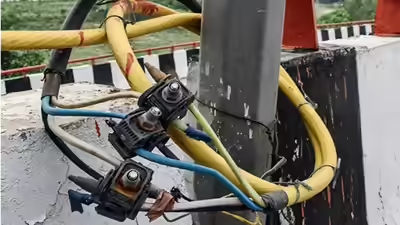
A tragic electrical accident in Kallakurichi district claimed the lives of two members of the same family, sending shockwaves through the local community and highlighting the dangers associated with electrical hazards. The unfortunate incident occurred when the victims reportedly came into contact with a live electrical source, resulting in fatal electrocution. According to preliminary reports, the accident took place while the family members were carrying out their routine activities. During the course of the incident, both individuals accidentally came into contact with an energized electrical line or equipment, suffering severe electric shock. Despite immediate efforts by nearby residents to assist them and alert emergency services, the injuries proved fatal. Neighbours and local residents rushed to the scene and informed the police, electricity department officials, and emergency medical personnel. The victims were taken to a nearby government hospital, where doctors confirmed that both had succumbed to the injuries caused by electrocution. Their sudden deaths have left the family, relatives, and the surrounding community in deep mourning. Police officials visited the accident site, secured the area, and initiated an investigation to determine the exact cause of the mishap. Officials from the Electricity Department also conducted an inspection to examine whether damaged wiring, faulty electrical equipment, accidental contact with live conductors, or other technical issues contributed to the tragedy. A case has been registered, and further inquiries are underway. The incident has once again drawn attention to the importance of electrical safety in homes, agricultural fields, and public spaces. Experts emphasize that damaged electrical installations, exposed wires, illegal connections, and inadequate maintenance can pose serious risks to human life. Regular inspection of electrical systems, prompt repair of faults, and strict adherence to safety standards are essential to prevent such accidents. Authorities have urged the public to exercise extreme caution while handling electrical appliances and equipment, particularly during the monsoon season when moisture increases the risk of electric shock. Citizens are advised to immediately report fallen power lines, damaged electrical poles, exposed cables, or any suspected electrical hazards to the Electricity Department and avoid attempting repairs without trained personnel. The tragic loss of two members of the same family serves as a painful reminder of the potentially fatal consequences of electrical accidents. District authorities have expressed their condolences to the bereaved family and assured that a detailed investigation will be conducted. They also reiterated the importance of public awareness, preventive maintenance, and strict compliance with electrical safety measures to help prevent similar tragedies in the future.

Breaking News

School Students Motorcycle Fatality

A tragic road accident near Siruttanur village in Ulundurpet claimed the lives of two private school students after an omni car collided with the motorcycle on which they were travelling. The heartbreaking incident has shocked the local community and once again raised concerns about road safety involving young motorists. According to preliminary reports, four private school students were travelling together on a motorcycle when the omni car reportedly crashed into the two-wheeler near Siruttanur village. The impact of the collision was severe, throwing all four students onto the road. Two students sustained fatal injuries and died instantly at the scene, while the remaining two suffered injuries of varying severity. Local residents and passers-by rushed to the accident site immediately after the collision and informed the police and emergency medical services. Ambulances arrived promptly, and the injured students were provided with first aid before being shifted to a nearby government hospital for further treatment. Police personnel secured the accident site, regulated traffic, and began a preliminary investigation into the circumstances surrounding the crash. The bodies of the deceased students were recovered and sent for post-mortem examination before being handed over to their families. The sudden loss of the young students has left their families, classmates, teachers, and the entire community in deep grief. Educational institutions and local residents expressed their condolences and paid tribute to the victims. Police have registered a case and are investigating the exact cause of the accident. Officials are examining factors such as the speed of the vehicles, road conditions, visibility, compliance with traffic regulations, and other circumstances that may have contributed to the collision. Appropriate legal action will be taken based on the findings of the investigation. The incident has once again highlighted the importance of road safety and adherence to traffic rules. Authorities have urged motorists to drive responsibly, follow speed limits, wear protective safety gear, and remain vigilant, particularly on rural roads where accidents can occur unexpectedly. Parents and educational institutions have also been encouraged to educate young people about safe road practices and compliance with motor vehicle regulations. The tragic accident near Siruttanur village serves as a painful reminder of the devastating consequences of road accidents. Authorities continue to emphasize the need for responsible driving, improved road safety awareness, and strict enforcement of traffic regulations to help prevent similar tragedies and protect the lives of all road users.

Breaking News

Ulundurpet Bus Crash

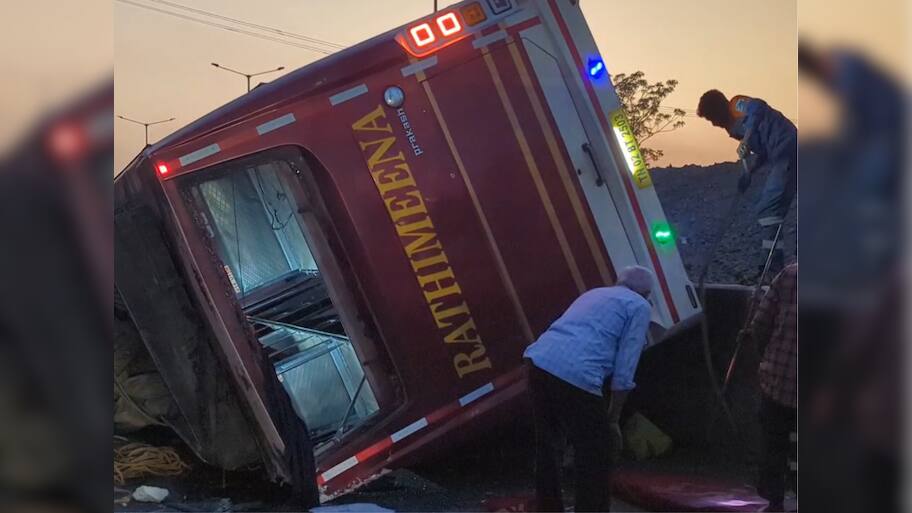
A major road accident occurred on the Ulundurpet bypass road when a Tamil Nadu State Government express bus carrying more than 30 passengers lost control, crashed into a roadside neem tree, and plunged into a 10-foot-deep roadside pit. The accident left more than 10 passengers, including the bus driver, with serious injuries and caused panic among those travelling on board. According to preliminary reports, the bus was travelling along the busy bypass road when the driver reportedly lost control of the vehicle. The bus veered off the road, collided with a large neem tree, and subsequently overturned into a deep roadside pit. The force of the impact caused extensive damage to the front portion of the bus, while passengers were thrown from their seats, resulting in multiple injuries. Local residents and passing motorists immediately rushed to the accident site and alerted the police, fire and rescue services, and emergency medical teams. Rescue personnel worked swiftly to evacuate passengers trapped inside the damaged bus. Using specialized rescue equipment, emergency responders safely extricated the injured and provided first aid before transporting them to nearby medical facilities. More than 10 passengers, including the driver, sustained severe injuries and were admitted to the Ulundurpet Government Hospital for emergency treatment. Medical teams attended to the injured, while those with more serious injuries were kept under close observation. Fortunately, the prompt response of rescue personnel and local residents helped prevent further casualties. Police officials reached the accident scene shortly after the incident, secured the area, regulated traffic on the bypass road, and initiated an investigation into the cause of the crash. Authorities are examining various factors, including the condition of the vehicle, road conditions, driver health, mechanical failure, and other possible circumstances that may have contributed to the accident. A case has been registered, and further inquiries are underway. The accident temporarily disrupted traffic along the Ulundurpet bypass as cranes and recovery vehicles were deployed to remove the damaged bus from the roadside pit and restore normal traffic movement. Officials worked efficiently to clear the road while ensuring the safety of other motorists. The incident has once again highlighted the importance of road safety, regular vehicle maintenance, and cautious driving, particularly on busy highways and bypass roads that experience heavy traffic throughout the day. Transport authorities continue to emphasize the need for strict adherence to speed limits, periodic vehicle inspections, and defensive driving practices to reduce the risk of serious road accidents. The Ulundurpet bus crash serves as a reminder of the importance of robust emergency response systems and coordinated rescue operations. The swift action of local residents, emergency services, healthcare professionals, and law enforcement agencies played a crucial role in ensuring that the injured passengers received timely medical attention. Authorities have assured that a detailed investigation will be conducted and that appropriate measures will be taken to prevent similar accidents in the future.

Agriculture

Alternative Tree-Based Agriculture

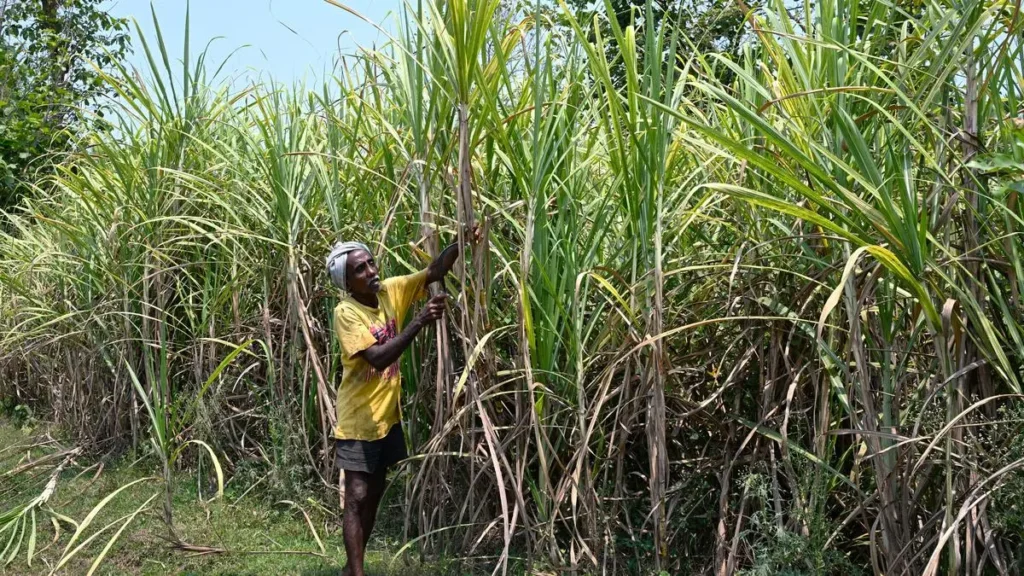
Kallakurichi district is witnessing a significant transformation in its agricultural landscape as an increasing number of farmers adopt alternative tree-based farming and crop diversification to improve income, enhance sustainability, and reduce dependence on traditional water-intensive crops. Encouraged by environmental initiatives such as Cauvery Calling and supported by agricultural experts, many cultivators are gradually shifting from conventional sugarcane cultivation to high-value tree crops and diversified farming systems. For decades, sugarcane has been one of the district’s major commercial crops. However, rising cultivation costs, increasing labour shortages, unpredictable rainfall, declining groundwater levels, and fluctuating market prices have prompted farmers to explore more sustainable and profitable alternatives. Tree-based agriculture has emerged as an attractive option due to its long-term economic returns, lower maintenance costs after establishment, and positive environmental impact. Among the crops gaining popularity are red sanders, sandalwood, and cassava, each offering unique economic opportunities. Red sanders, known for its premium-quality timber and high commercial value, is being cultivated as a long-term investment crop. Farmers view it as an asset that can generate substantial returns over time while requiring comparatively lower water consumption than several conventional crops. Similarly, sandalwood cultivation is attracting considerable interest because of its strong demand in the perfume, cosmetic, pharmaceutical, handicraft, and traditional industries. With proper management and adherence to government regulations, sandalwood plantations have the potential to provide significant financial returns. Farmers are increasingly recognizing sandalwood as a sustainable investment that can complement other agricultural activities while enhancing long-term income security. Cassava, another important crop in the district, continues to play a vital role in agricultural diversification. Widely used in the production of starch, sago, food products, animal feed, and industrial raw materials, cassava offers farmers a dependable commercial crop with diverse market opportunities. Improved cultivation techniques and better market access have further encouraged its expansion across suitable farming areas. Initiatives such as Cauvery Calling have played an important role in promoting tree-based agriculture by encouraging farmers to integrate trees with conventional farming systems. The programme emphasizes agroforestry as a sustainable farming model that improves soil fertility, conserves water resources, enhances biodiversity, captures atmospheric carbon, and provides additional sources of income through timber, fruits, medicinal plants, and other tree-based products. Agricultural scientists note that diversified farming systems are more resilient to climate change and market uncertainties. By cultivating multiple crops alongside trees, farmers can reduce production risks, improve soil health through natural nutrient cycling, and create more stable income streams throughout the year. Agroforestry also helps prevent soil erosion, improves groundwater recharge, and contributes to environmental conservation by increasing green cover. Government departments, agricultural universities, and extension agencies have been actively supporting this transition through farmer awareness programmes, technical guidance, demonstration plots, and training sessions on scientific plantation methods, irrigation management, pest control, and sustainable farming practices. These initiatives help farmers make informed decisions while ensuring successful establishment and maintenance of tree-based farming systems. Many progressive farmers who have adopted diversified agriculture report improved economic stability, reduced dependence on a single crop, and greater resilience against changing climatic conditions. Their success has encouraged neighbouring farmers to explore similar cultivation models, leading to a gradual expansion of agroforestry practices across the district. The growing adoption of alternative tree-based agriculture reflects a broader shift toward sustainable and climate-resilient farming in Kallakurichi. By combining environmental conservation with long-term economic benefits, crop diversification is helping farmers build stronger and more sustainable livelihoods while contributing to the district’s agricultural development. As awareness continues to grow and institutional support expands, Kallakurichi is well-positioned to emerge as a leading example of modern, diversified, and environmentally responsible agriculture in Tamil Nadu.

Agriculture

Minimum Support Price (MSP)

Farmers across Kallakurichi district have formally appealed to the government to fix and strictly regulate a Minimum Support Price (MSP) for tapioca and paddy, stating that assured pricing is essential to safeguard their livelihoods and ensure the long-term sustainability of agriculture. The demand has gained momentum as cultivators continue to face uncertainty due to fluctuating market prices, rising cultivation costs, and unpredictable returns on their produce. Representatives of farmers’ associations have submitted petitions to the concerned authorities, requesting the introduction of a scientifically determined MSP that reflects the actual cost of cultivation while providing a reasonable profit margin. They emphasized that both tapioca and paddy are among the district’s major agricultural crops, supporting the livelihoods of thousands of farming families, and therefore require stronger price protection. Farmers pointed out that the cost of agricultural production has increased considerably in recent years. Expenses related to quality seeds, fertilizers, pesticides, irrigation, electricity, farm machinery, transportation, and agricultural labour have risen steadily, placing significant financial pressure on cultivators. However, market prices often fluctuate during the harvest season, forcing many farmers to sell their produce below production costs due to the absence of guaranteed pricing. For paddy farmers, an effectively implemented MSP would provide assurance that their harvest will be procured at a fair and predetermined price, reducing the uncertainty associated with market fluctuations. Such a system would enable farmers to recover cultivation expenses, invest in modern farming practices, and continue agricultural production with greater financial confidence. Similarly, tapioca growers have highlighted the challenges they face due to unstable market demand and price volatility. Tapioca is an important commercial crop in Kallakurichi and is widely used in the production of starch, sago, food products, animal feed, and various industrial applications. Farmers have argued that the absence of a regulated support price often leaves them vulnerable to market fluctuations, resulting in unpredictable incomes despite substantial investments in cultivation. Agricultural experts believe that a well-structured Minimum Support Price mechanism can contribute significantly to rural economic stability. By ensuring a guaranteed minimum return, MSP helps protect farmers from sudden price crashes, encourages continued agricultural production, and strengthens food security. Stable pricing also enables farmers to adopt improved cultivation techniques, invest in better-quality inputs, and enhance overall farm productivity. Farmer organizations have also requested that the government strengthen procurement infrastructure, expand procurement centres, ensure timely payments, and simplify procurement procedures. They believe that an effective MSP policy must be supported by efficient procurement systems to ensure that farmers can sell their produce without unnecessary delays or administrative challenges. Officials from the Agriculture and Cooperative Departments have acknowledged the representations submitted by farmers and stated that the requests would be forwarded to the appropriate government authorities for consideration in accordance with existing agricultural pricing and procurement policies. The demand for a regulated Minimum Support Price for tapioca and paddy reflects the broader concerns of the farming community regarding income security and agricultural sustainability. Farmers remain hopeful that appropriate policy measures will be introduced to provide fair remuneration for their produce, reduce financial uncertainty, and strengthen the agricultural economy of Kallakurichi district.

Agriculture

Infrastructure Upgrades

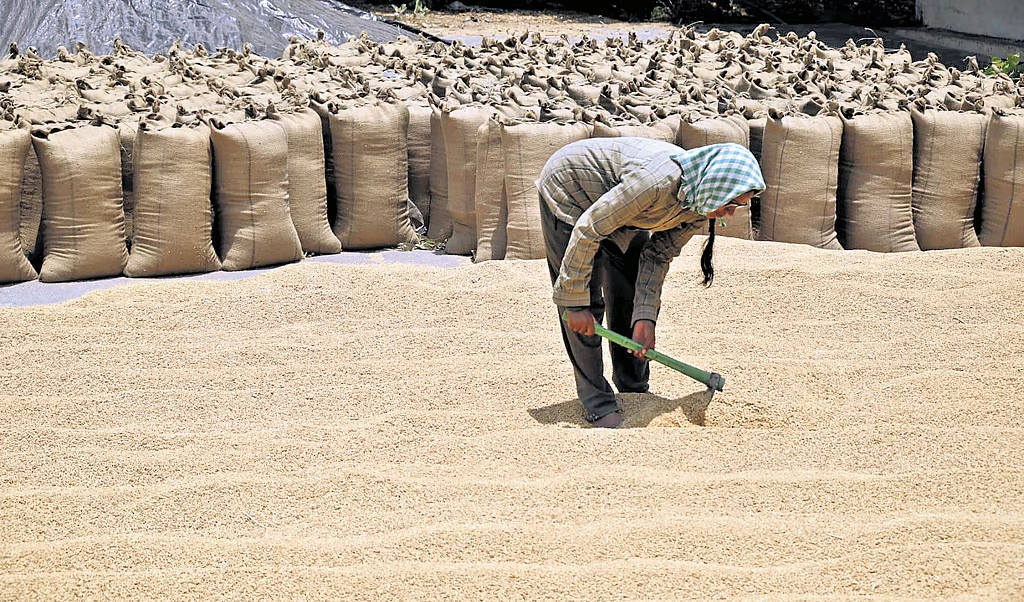
Farmers across Kallakurichi district have urged the authorities to improve infrastructure at Direct Paddy Procurement Centres (DPCs) by providing proper covered roofing and modern storage facilities to protect harvested paddy from unexpected rainfall. The demand comes after repeated instances of grain spoilage caused by sudden showers during the procurement season, resulting in financial losses for farmers who depend on these centres to sell their produce. According to the farming community, many procurement centres currently lack adequate roofed platforms and weatherproof storage arrangements. As a result, harvested paddy brought to the centres often remains exposed in open areas while awaiting quality inspection, weighing, and procurement. During periods of unseasonal rain, large quantities of paddy become wet, reducing grain quality and increasing the risk of moisture damage, fungal growth, and post-harvest losses. Farmers have pointed out that they invest considerable time, labour, and financial resources in cultivating paddy throughout the season. Damage occurring at the procurement stage due to inadequate infrastructure not only lowers the quality of the produce but can also lead to delayed procurement, price reductions, or rejection of grain that exceeds permissible moisture levels. They believe that providing permanent covered sheds would significantly reduce these avoidable losses and improve the efficiency of procurement operations. Another major demand raised by farmers is the establishment of a dedicated paddy drying yard in Vilambar village. At present, cultivators often face difficulties in drying freshly harvested paddy before transporting it to procurement centres. During the monsoon and periods of high humidity, the absence of a proper drying facility affects grain quality and delays the procurement process. A scientifically designed drying yard would provide farmers with a clean, level, and well-drained surface where paddy can be dried safely to the required moisture content before sale. Such a facility would help improve grain quality, reduce post-harvest losses, minimize contamination, and ensure that farmers receive better prices for their produce. It would also make the procurement process more efficient by enabling quicker quality inspections and reducing waiting times at procurement centres. Farmer representatives have submitted petitions requesting the government to prioritize infrastructure improvements at procurement centres, particularly in major paddy-growing regions. They have also suggested additional facilities such as proper drainage systems, storage warehouses, electronic weighing equipment, drinking water, waiting areas, and improved road connectivity to enhance the overall functioning of procurement centres. Agricultural experts note that strengthening post-harvest infrastructure is as important as improving agricultural production. Modern procurement facilities not only protect farmers from weather-related losses but also help preserve grain quality, improve food security, and ensure smoother procurement operations. Investments in covered storage, drying yards, and efficient logistics can significantly increase the overall efficiency of the agricultural marketing system. Officials from the Agriculture and Civil Supplies Departments have acknowledged the concerns raised by farmers and stated that the requests for covered roofing facilities and a dedicated drying yard at Vilambar village would be examined as part of future infrastructure development plans. They emphasized that improving procurement infrastructure remains an important priority for supporting the farming community and reducing post-harvest losses. The demand for better infrastructure highlights the need for continued investment in agricultural support systems across Kallakurichi district. Farmers remain hopeful that the construction of covered procurement sheds and modern drying facilities will help safeguard their harvests, improve procurement efficiency, reduce financial losses, and strengthen the overall agricultural economy of the region.